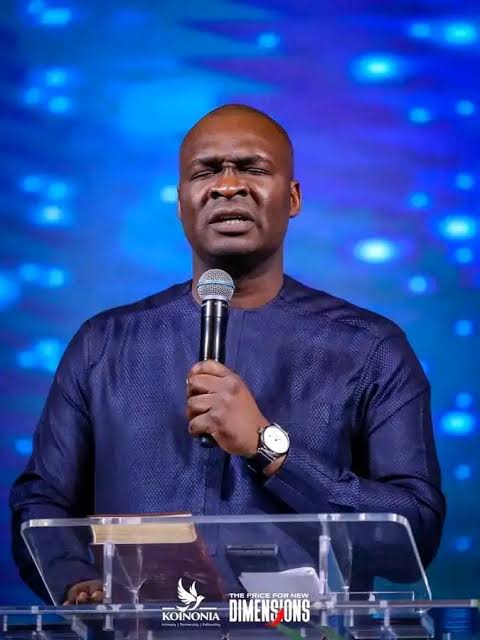
Whenever a high-profile leadership dispute breaks out inside a major Nigerian ministry, one blunt question dominates Christian conversations from Lagos to Abuja: who actually owns a church? Does a ministry belong to the founding pastor who birthed the vision, the founder’s biological family, the congregation whose tithes built the auditorium, or the Board of Trustees?
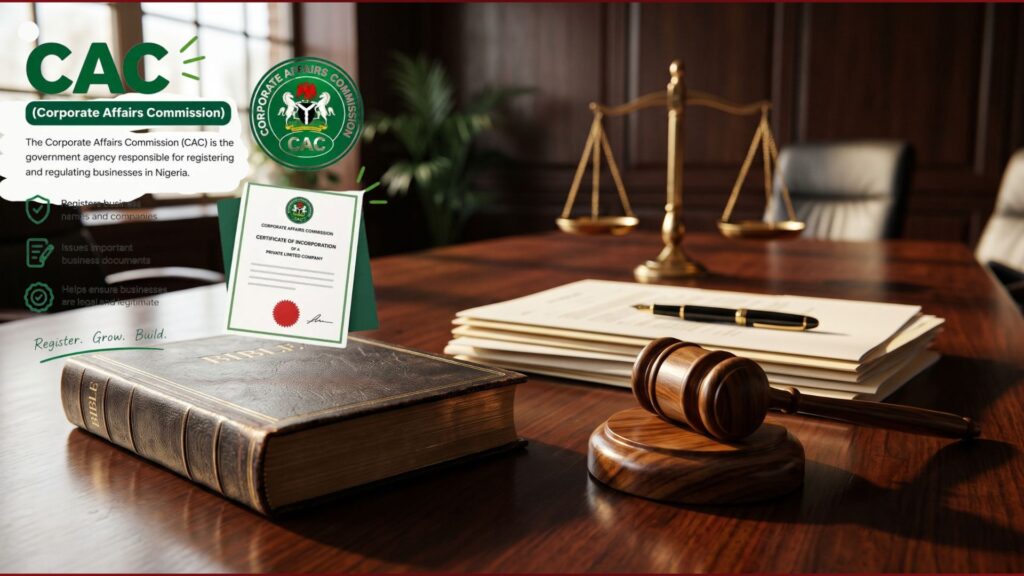
Under Nigerian law, the answer does not depend on sentiment, pulpit charisma, or social media opinion—it is settled by CAC church registration under Part F of the Companies and Allied Matters Act (CAMA) 2020. Once a church registers with the Corporate Affairs Commission (CAC) as Incorporated Trustees, it ceases to be an informal fellowship tied to one individual and becomes a distinct corporate body with perpetual succession.
Understanding how CAC church registration works—and what it legally means for church property, pastoral authority, and succession—is no longer just a matter for lawyers. For pastors, church administrators, trustees, and ordinary believers, clarity on Nigerian church law is one of the surest safeguards against bitter institutional crises.
Who Legally Owns a Registered Church in Nigeria?
The short legal answer under CAMA 2020 (Part F, Sections 823–850) is straightforward: no individual privately owns a registered church.
When a church completes CAC church registration as Incorporated Trustees, three major legal realities take effect immediately:
-
Separate Corporate Personality: The church becomes an independent legal entity capable of opening corporate bank accounts, signing contracts, buying land, and suing or being sued in its registered corporate name (for example, The Incorporated Trustees of Grace Chapel).
-
Assets Are Held in Trust, Not as Private Property: All land, buildings, vehicles, and funds acquired in the church’s name vest legally in the Incorporated Trustees—held strictly in trust to advance the church’s religious and charitable objectives. They do not form part of a founder’s personal estate and cannot be inherited privately by a founder’s children upon death. (Land mistakenly bought in a founder’s personal name, rather than the church’s registered trustees, is one of the most frequent triggers of post-founder disputes.)
-
Strict Non-Profit and Dissolution Rules: Because a church is registered as a non-profit association rather than a company limited by shares, its income must be applied solely towards its stated aims and objectives. Even if a registered church were ever dissolved, CAMA 2020 requires a dissolution clause directing remaining assets to another organisation with similar charitable or religious aims—never distributed to founders, trustees, or family members.
Founder vs. Board of Trustees vs. Constitution: Who Holds What Power?
| Church Pillar | Legal & Governance Role Under CAMA 2020 | Key Limit / Safeguard |
| The Founder / Senior Pastor | Provides spiritual vision, preaching, and pastoral leadership—and may also serve as a trustee if appointed. | Cannot override the registered church constitution or treat corporate church assets as personal property. |
| Board of Trustees (BOT) | Legal custodians of church property, corporate filings, and fiduciary oversight (minimum of 2 trustees). | Must exercise powers strictly within the constitution and directions of the governing council/church body. |
| The Church Constitution | The binding internal rulebook filed with CAC covering trustee tenure, pastoral succession, and finances. | Any constitutional amendment requires member resolution, CAC approval, and a 28-day newspaper notice to be valid. |
| Corporate Affairs Commission (CAC) | Federal regulator overseeing registration, annual returns, and compliance under Part F of CAMA 2020. | Can only intervene in extreme cases (such as fraud or mismanagement) through strict statutory/court processes. |
Why the Church Constitution Is the Real Anchor of Peace
Many Nigerian churches rush through CAC church registration using a generic, copy-and-paste template constitution just to open a church bank account quickly. Years later—often when a beloved founder retires or passes away—that neglected document becomes the centre of courtroom battles.
Under Section 827 of CAMA 2020, a church’s constitution must clearly define its name, aims, and how trustees are appointed, replaced, and held accountable. Beyond those statutory minimums, legal and governance advisers strongly urge growing ministries preparing for CAC church registration to spell out four vital clauses clearly before filing:
-
Clear Pastoral Succession Procedure: Exactly how a Senior Pastor or General Overseer is nominated, vetted, installed, or succeeded—avoiding clashes between private wishes and written governance rules. (See how Nigeria’s senior Pentecostal leaders handle this in our explainer on what Adeboye, Kumuyi, and Oyedepo have said about church succession.)
-
Separation of Spiritual and Board Checks: Defining whether the Senior Pastor also chairs the Board of Trustees—and what constitutional checks prevent unilateral control by either side. (For our editorial view on why institutional clarity protects a founder’s legacy, read Fountain of Life Crisis: Why Governance Outlives Founders.)
-
Balanced, Trustworthy Trustees: Choosing trustees of proven integrity who represent the congregation’s trust—not exclusively one immediate family—so disputes can be mediated objectively.
-
Transparent Financial & Audit Controls: Setting clear rules for bank signatories, annual audits, and how church branches remit or manage funds under the parent body.
Step-by-Step Overview of CAC Church Registration in Nigeria
Although a fellowship can gather to worship under Nigeria’s constitutional right to freedom of assembly, completing CAC church registration is essential for opening a church bank account, acquiring land securely, and building public trust. Here is the standard process under Part F of CAMA 2020:
-
Name Availability Search & Reservation: Propose a unique name on the CAC portal (starting with “The Incorporated Trustees of…”). Avoid names too close to established denominations. Once approved, the name is reserved for 60 days.
-
Appoint Eligible Trustees & Adopt the Constitution: Convene a formal meeting to appoint at least two trustees (each aged 18 or older, of sound mind, not an undischarged bankrupt, and with no fraud or dishonesty conviction within the past five years) and formally adopt the church constitution, keeping signed minutes.
-
Publish Public Notices in Two Daily Newspapers: Publish the church’s proposed name, aims, address, and trustee names in two daily newspapers (including at least one national daily), triggering a mandatory 28-day window for any public objections.
-
File Online on the CAC Portal: Upload the adopted constitution, signed meeting minutes, sworn Trustee Declaration Forms (sworn before a Commissioner for Oaths or Notary Public), trustee IDs (NIN, international passport, or driver’s licence), passport photographs, and copies of the newspaper notices.
-
Receive Certificate & Complete Post-Registration Compliance: Once CAC clears the application—typically around six to eight weeks including the 28-day notice period—download the Certificate of Incorporation, obtain a Tax Identification Number (TIN), register with SCUML (required by Nigerian banks for non-profits), and file annual returns with audited accounts every year.
Frequently Asked Questions
Can a church founder legally sell church land registered under CAC?
No individual—including the founder—can unilaterally sell land titled in the name of a church’s Incorporated Trustees. Any disposal of corporate church property after CAC church registration must follow the church constitution and be formally authorised by the Board of Trustees in line with CAMA 2020.
How many trustees are required for CAC church registration in Nigeria?
Under Part F of CAMA 2020, a church requires a minimum of two (2) trustees to complete CAC church registration, though governance experts often recommend an odd number (such as three, five, or seven) to prevent deadlocked votes.
Do church branches need separate CAC church registration?
No. A church registers once as a single corporate body under CAC. Branches operating under the same constitution, name, and Board of Trustees are legally covered by the parent church’s registration.
Editorial Note: This article is published for general informational and educational purposes and does not constitute formal legal advice. Churches preparing for registration or constitutional amendments should consult an accredited Nigerian legal practitioner.
Final Thoughts
Scripture teaches that the Church belongs to Jesus Christ, while Nigerian law ensures that its earthly stewardship rests on transparent, accountable institutions rather than private ownership. Treating CAC church registration not as a rushed administrative hurdle, but as a thoughtful act of biblical stewardship, protects pastors, trustees, and congregations alike—allowing the Gospel work of every local assembly to endure peacefully for generations.
JOIN OUR WHATSAPP CHANNEL FOR MORE GOSPEL NEWS UPDATES AT FIRST HAND