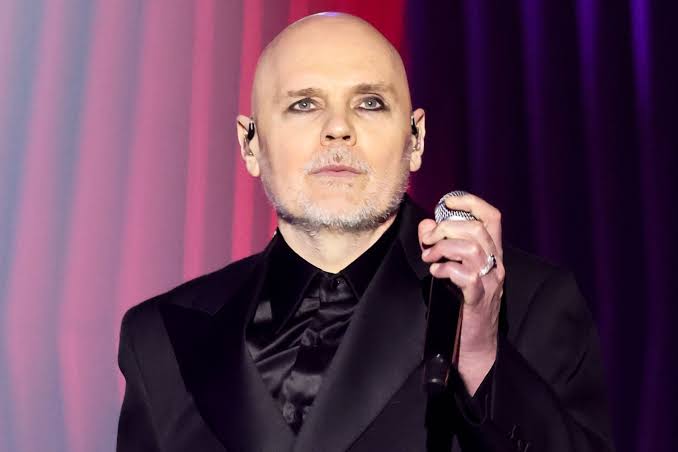
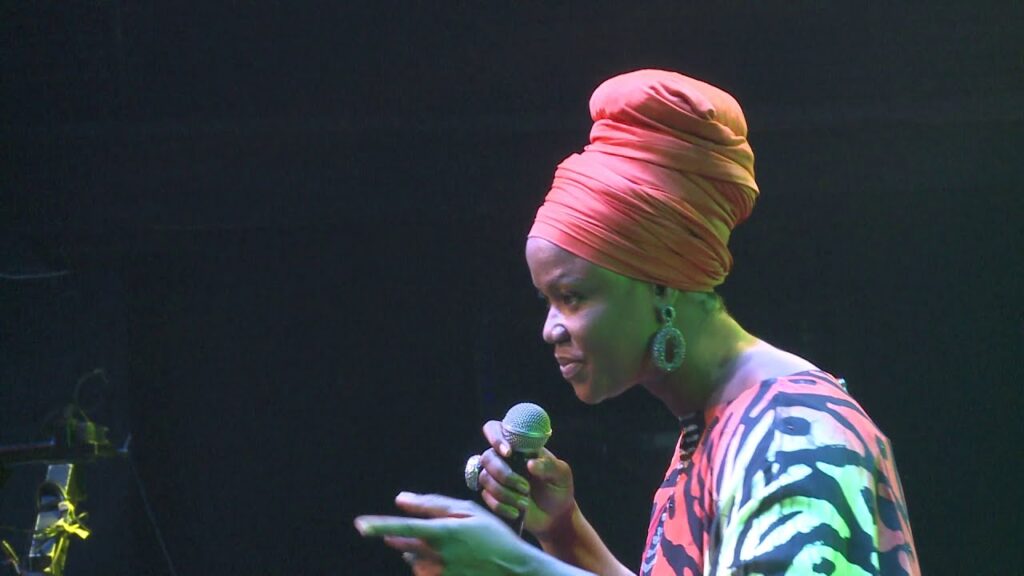
Sola Allyson has raised a thought-provoking question about purpose and personal responsibility in a video that challenges young people to look beyond physical appearance and consider what they are doing with the lives they have been given. Her question—“What are you going to do about what you met on ground, fine boy and fine girl?”—offers a timely reflection on the difference between looking good and living meaningfully.
In a culture where beauty, fashion, social media attention and outward success often attract admiration, the message invites a deeper conversation: beyond what people see, what are we actually building?
Beyond Fine Boy and Fine Girl
The expression “fine boy and fine girl” is familiar in everyday Nigerian conversations. It can describe attractive young people, fashionable individuals or those who naturally command attention because of their appearance.
But the question posed by Sola Allyson turns that familiar compliment into a challenge. What happens after people admire your face, notice your clothes or applaud your presentation? What do you have to offer beyond what the eyes can see?
There is nothing wrong with looking good or taking pride in one’s appearance. The problem begins when appearance becomes the principal measure of personal value, while character, discipline, wisdom and purpose receive little attention.
Looking good may attract attention, but what we do with our lives determines what that attention ultimately means.
What Are You Doing With What You Have?
One striking way to interpret the question is as a call to examine personal responsibility. People begin life with different opportunities, abilities, experiences and circumstances. Not everyone starts from the same position, and not everyone has equal access to resources.
Nevertheless, the question remains relevant: what are we doing with what is available to us?
A young person may possess academic ability but fail to develop it. Another may have a gift for music, teaching, business or leadership but continually postpone the work required to grow. Someone else may have opportunities to serve their community yet remain focused only on personal recognition.
The challenge is not that everyone must become famous, wealthy or publicly celebrated. Rather, it is that potential should not remain permanently untouched because a person is comfortable with being admired.
The message invites young people to move from appearance to action, from potential to preparation, and from merely being noticed to making a meaningful contribution.
A Christian Perspective on Character and Purpose
From a Christian perspective, the conversation reaches beyond personal development to stewardship. Scripture teaches that outward appearance is not the ultimate measure of a person’s worth. First Samuel 16:7 reminds readers that while people look at outward appearance, the Lord looks at the heart.
This principle challenges believers to consider what is developing beneath the surface. Are we growing in love, integrity, patience, humility and self-control? Are our gifts being used responsibly? Does our private character reflect the values we publicly profess?
The Christian life is not a competition to appear more spiritual than others. It is a journey of becoming more faithful in how we live, serve and treat people.
That is why the question associated with Sola Allyson can serve as more than a motivational sound bite. It can become a personal examination of whether our daily choices reflect the purpose and values we claim to hold.
Social Media Has Made the Question More Urgent
Today’s digital culture makes it easy to confuse visibility with achievement. A person can receive thousands of likes without developing a skill, build an attractive online image without cultivating healthy relationships, or appear successful while struggling to establish direction in private life.
Social media is not inherently harmful. It can educate, inspire, create business opportunities and connect people with valuable communities. However, problems arise when the pursuit of approval becomes more important than the pursuit of growth.
Young people need more than compliments. They need opportunities to learn, develop discipline, build useful skills and discover how their abilities can benefit others.
Being admired is not the same as being prepared. Going viral is not the same as creating lasting value.
The Question Every Young Person Should Consider
The deeper value of this message lies in the conversation it starts. Instead of asking only whether people find us attractive, impressive or successful, we should ask what kind of people we are becoming.
What are we learning? Which habits are we developing? How are we treating others? What responsibilities are we avoiding? What meaningful work can we begin today with the resources already available to us?
These questions do not demand instant greatness. They demand honesty, intentionality and a willingness to grow.
Ultimately, the message is a reminder that appearance is only one part of a person’s story. Character gives that story depth, discipline gives it direction, and purpose gives it meaning.
The real challenge is not simply to be a fine boy or fine girl. It is to become a person whose life has substance beyond what the world can see.
JOIN OUR WHATSAPP CHANNEL FOR MORE GOSPEL NEWS UPDATES AT FIRST HAND